

A good skin care routine for dry skin is simple: cleanse gently, add moisture, protect from the sun, and avoid anything that strips your skin. Many people in Pakistan struggle with tightness, flaking and dull skin once the weather cools, and the usual reaction is to buy more products. Usually the answer is fewer steps, chosen with care.
This guide walks through a morning and evening routine, explains how serums such as vitamin C and niacinamide fit in, and covers the point where it is time to see a doctor instead of trying another cream.
Watch: Is Your Skin, Hair and Face Drying Out This Season?
Watch: Winter Skin SOS from Dr. Shaista Lodhi
Why skin turns dry in the first place
Dry skin has lost water and natural oils faster than it can replace them. Cold air, heaters, hot showers, strong soaps and over exfoliating all speed that up. Some people are simply born with a thinner oil layer, which is why their skin feels tight even in mild weather.
Symptoms range from rough texture and fine flaking to itching, redness and small dry patches that feel different from the skin around them.
Morning routine for dry skin
- Cleanse lightly. If your skin feels clean but not squeaky, the product is doing its job. When you shop for a face wash for dry skin in Pakistan, look for words such as gentle, hydrating or creamy, and skip anything with a strong scent or a foaming scrub.
- Apply a serum if you use one. A hydrating serum or a mild vitamin C serum for dry skin can go on damp skin before moisturizer.
- Moisturize while skin is slightly damp. A moisturizer for dry skin in Pakistan should feel comforting, not greasy. Cream textures hold water better than thin lotions, and ingredients like ceramides, glycerin and hyaluronic acid are good signs.
- Finish with sunscreen. Dry, irritated skin burns more easily, so sunscreen matters even on cooler days.
Evening routine for dry skin
- Remove sunscreen and dust with a gentle cleanser, using lukewarm water.
- Pat your face dry with a soft towel rather than rubbing.
- Use a hydrating serum or treatment if your skin tolerates it.
- Seal everything in with a richer night cream. A thin layer of a plain, thick ointment on very dry areas can help overnight.
Is niacinamide good for dry skin?
Generally yes, when the strength is gentle. Niacinamide helps support the skin barrier and can calm redness, which is why many people with dry skin tolerate it well. Start with a low percentage, use it once a day, and stop if you feel stinging. If your skin is already cracked or inflamed, wait until it settles first.
Using a vitamin C serum on dry skin
Vitamin C brightens dull skin, but it can sting when your barrier is weak. Pick a gentle formula, apply it in the morning on slightly damp skin, and always follow with moisturizer and sunscreen. Introduce it slowly, every second morning at first, so you can tell how your skin reacts.
When dry skin and acne show up together
Dry skin acne confuses many people because the instinct is to dry the pimples out. That usually backfires, since a damaged barrier gives breakouts more reason to appear. Choose a non comedogenic moisturizer, avoid harsh scrubs, and add acne products one at a time and slowly. If breakouts keep coming despite a gentle routine, a doctor can sort out what is driving them.
Mistakes that keep skin dry
- Washing the face more than twice a day
- Hot showers and long steam sessions
- Scrubbing flaky areas instead of moisturizing them
- Using several active products at once
- Skipping moisturizer on days when skin feels fine
- Picking at peeling skin
When to see a dermatologist
Plan an appointment if dryness lasts beyond two or three weeks, patches spread or change colour, itching disturbs your sleep, or you see cracks, blisters or signs of infection. A reaction that began after a new product also deserves a proper check. The team at SL Aesthetics Clinic by Dr. Shaista Lodhi sees these concerns in Karachi, Lahore and Islamabad, and if travel is difficult you can begin with an online consultation.
Professional care for dull, dehydrated skin
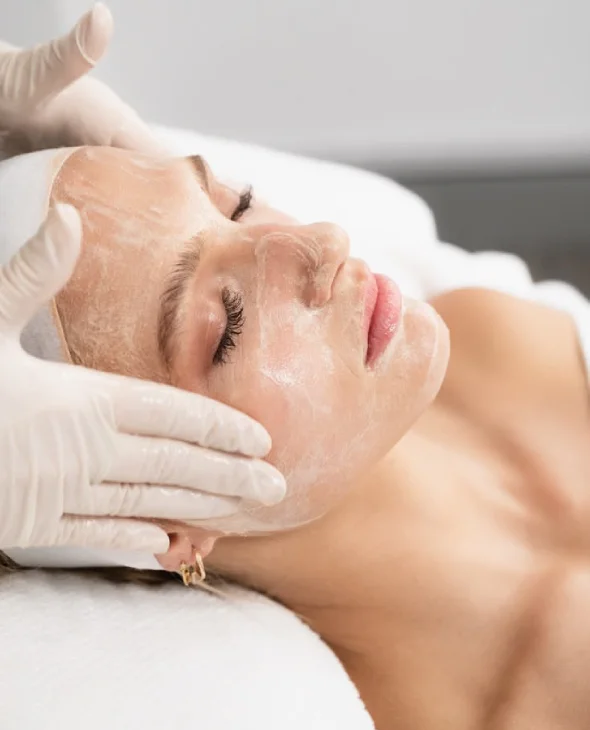
Once irritation has calmed, in clinic care can bring back freshness. A Hydrafacial treatment cleanses, exfoliates and hydrates in a single session, and our facial treatments page lists other options. Which one suits you depends on your skin type and how it looks on the day, so it is chosen after a consultation. Results vary from person to person.
Related Treatments at SL Aesthetics Clinic
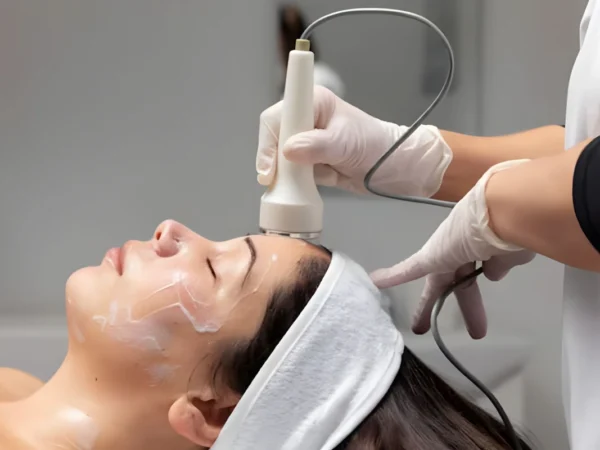 Glass Skin FacialA hydrating, glow focused facial for smooth, even looking skin.
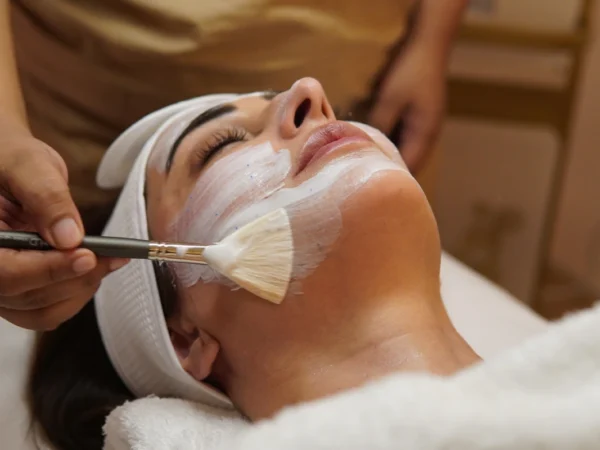 Facial TreatmentsDoctor guided facials matched to your skin type and concern.
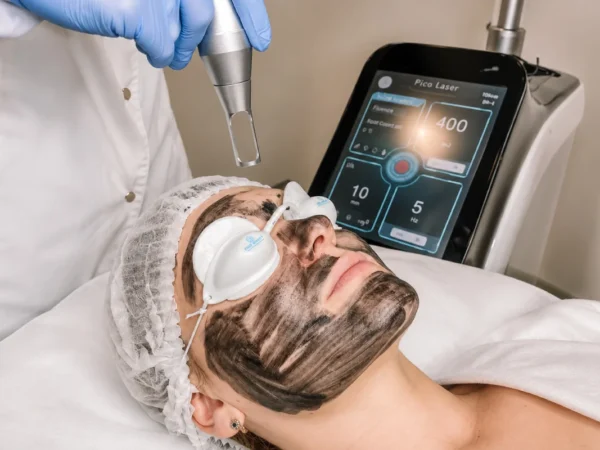
 Carbon Peel LaserA gentle laser peel that refreshes dull, congested looking skin.
 PRP TherapyA treatment that uses your own plasma to support skin quality.
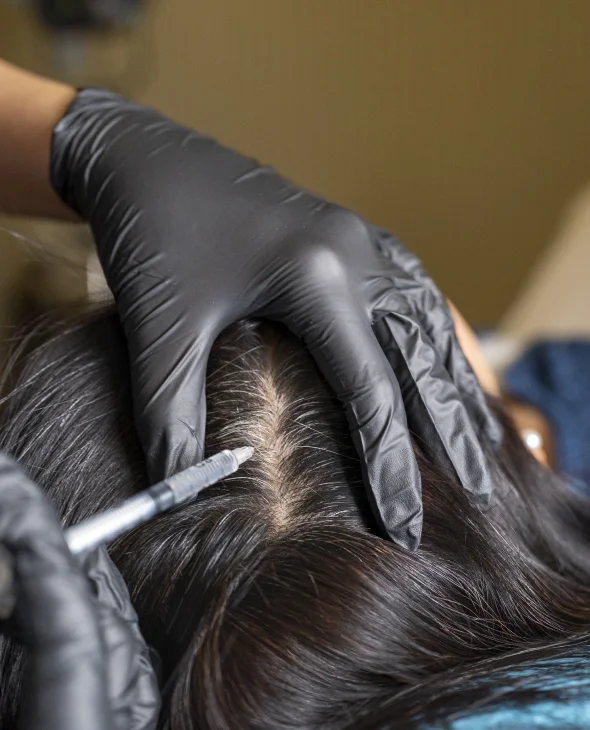
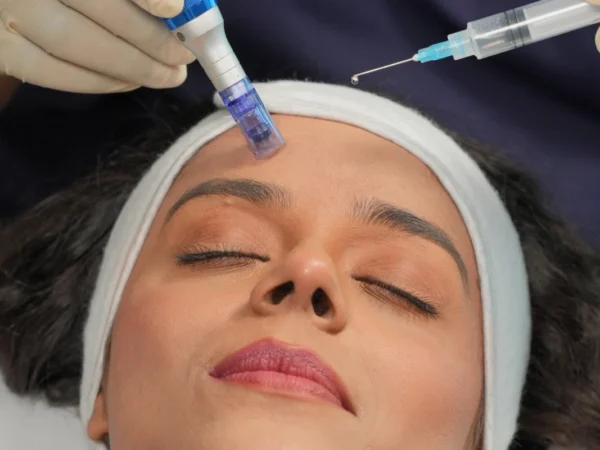 Exosomes TreatmentA modern skin and hair treatment planned after consultation.
Frequently asked questions
How long does it take for a dry skin routine to show results? Most people notice softer, less tight skin within one to two weeks. Deeper dryness can take a month or more to settle, and winter air can slow progress.
Can oily or combination skin also get dry in winter? Yes. Cold weather and heating can dry out any skin type, so you may need a richer moisturizer on your cheeks while keeping a lighter one on the T zone.
Do I need a separate eye cream? Not always. A gentle moisturizer is often enough, but the skin around the eyes is thin, so choose a plain, unscented formula and apply it lightly.
Is it safe to use a serum every day on dry skin? Many people can, but start with every second night and watch how your skin responds. If you notice stinging or redness, stop and ask a doctor.
When should I see a doctor instead of changing products again? If dryness lasts beyond three weeks, spreads, itches badly or cracks, a skin examination will tell you more than another product trial.
The takeaway
Consistency beats complexity. A gentle cleanser, a comforting moisturizer and daily sunscreen will do more for dry skin than a shelf of products, and a doctor can step in when home care is not enough. For help with your skin, visit our contact page or call 0304 1113666.
This article is general information and is not a medical diagnosis. Please consult a qualified doctor about your skin.